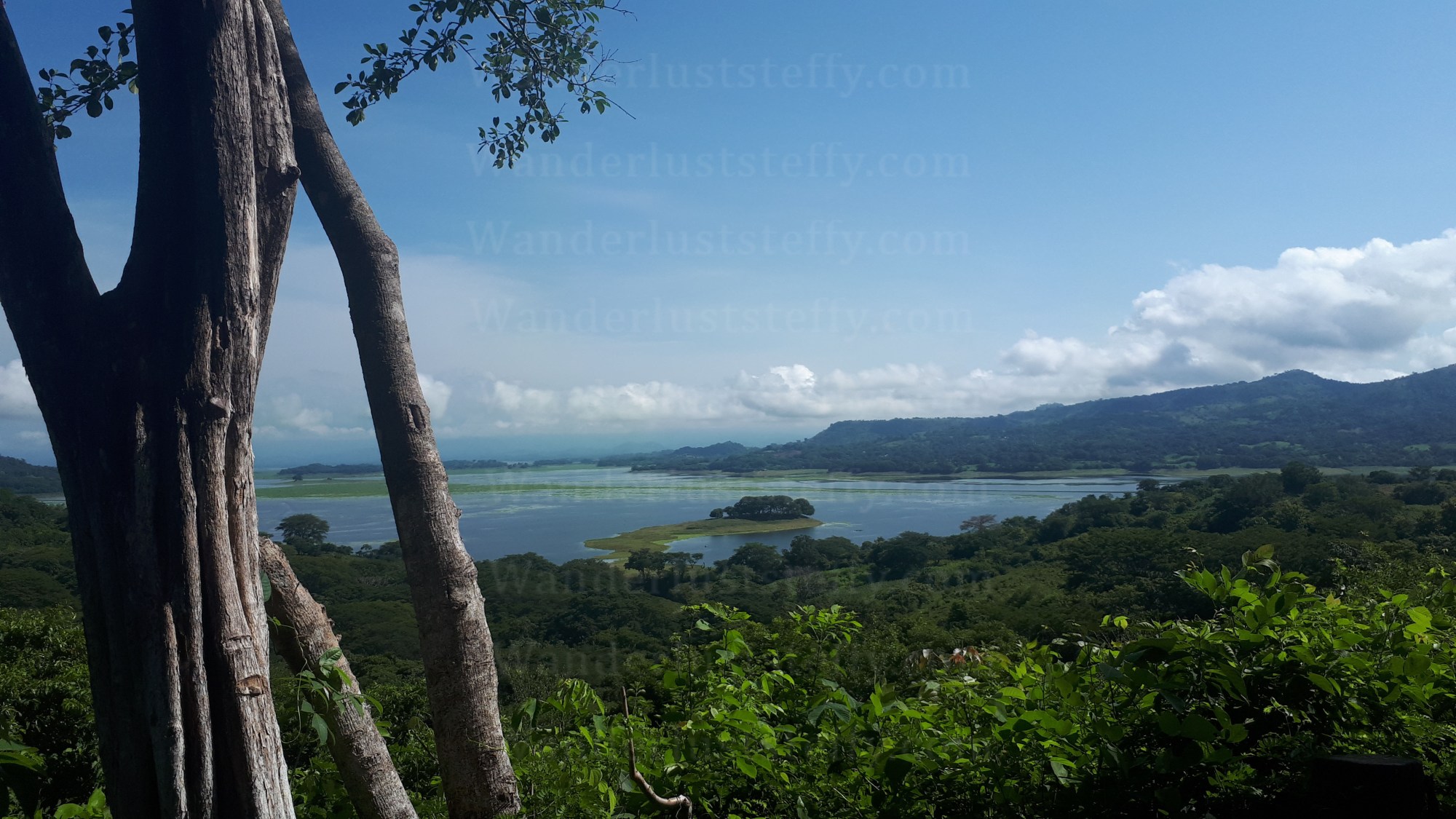
El Salvador was very long on the list of countries, I was afraid to visit due to the high homicide rate and gang violence. But still, my interest in the country and many positive reports from other backpackers and volunteers have encouraged me to visit the small country in Central America finally.
After a little bit more than a week, I have to say that I feel very safe here. In the central area of Santa Tecla, Santa Ana, and some other cities, you can walk in the streets alone in the late evening; I would not recommend doing this in the poorer suburbs. As always take care of your belongings, and you should probably not walk around showing your wealth by wearing jewellery or similar. As long as you listen to the advice of people who know the country, you will be safe – they will tell you where you can go and where you should rather not go (like the western part of San Salvador, which is still controlled by the gangs). The centre of San Salvador is safe, but very busy and therefore – I guess – a lucrative spot for pickpockets. You will find police/soldiers/security staff on every corner.
Be a little bit careful with guidebooks, like Lonely Planet, which recommends beaches as “beautiful and lonely”. Yes, they might be beautiful, but they are lonely for a reason – no normal person would go there as it is not safe. Better stay in communities like “El Tunco”, which are not lonely, but safe.
Volunteering in Santa Tecla with “Teaching you”
I am going to stay in Santa Tecla (4th biggest city just next to San Salvador) for the whole month to support the NGO “Teaching You” (http://www.teachingyou.org/). “Teaching you” is offering English classes at a public girl`s school reaching from grade 1 to grade 6. The state is paying for English classes for grades 7 to 9, but if the parents cannot afford to pay for English classes in grade 1-6, the kids have of course not the same opportunities as a seventh-grader who already knows some English.
I wanted to volunteer as an English teacher, not because I am a teacher in normal life. I strongly believe that education is very crucial for every person. It can help to improve the quality of life and much more. There is for example evidence showing that a woman who received at least primary education, is able to provide better for their families when it comes to things like – when to go to the doctor, what food is best, etc. – positively impacting the child mortality rate. Especially in developing countries, education is a big issue, though enrolments rates are usually quite high it does not mean, that the child/adolescent is attending, graduating or even receiving a good quality education. Due to limited resources, often education can only be afforded for sons or 1 child in the family and not for all. I have read a lot about those issues and wanted to learn more about these personally.
The girls in the public school usually come from low-income families and sometimes have very difficult backgrounds. Most of the girls have to work either before or after school, which of course has a significant impact on how the school/the teaching works and how much time the girls can spend on learning and repeating things at home. The school has accommodated the classes this way, that one group attends school in the morning and another group in the afternoon to ensure, that they can attend school even if they have to work in the markets in the morning. The school is an area of joy and warm-heartedness. You see smiles on the faces of the kids and teachers. Everyone is genuinely nice and very welcoming. Many girls hug you when the lesson begins and when it ends. They are so cute. And when it comes to the NGO, Joaquin and Wati, who are running the NGO, are adorable. They are always there for any questions (and travel tips), and they will also regularly check on you, whether everything is fine. I love the people here.
I will very likely share more about my volunteering experience in the coming weeks.
#1 thing to do in El Salvador: eat pupusas
What I learned here immediately is that Pupusas have a high priority in everyone’s life. Pupusa is a typical Salvadorian dish, and it is sooo delicious that I am now eating them almost every day. Pupusa ( I know the words sounds strange) are a kind of a filled tortilla made of corn or rice. I prefer rice pupusas. When it comes to the filling, there are lots of options. I like for example cheese+jalapeno or cheese+loroco, which is a plant you only find in Central America. Of course, you can also get it with beans or meat. Pupusarias – restaurants specializing in Purpusas-can be found almost at every corner and prices are very affordable – often starting at 0,65USD. Pupusas are usually eaten with a tomato sauce and coleslaw. When I got my first purpusa I was sitting there and wondering how to eat it – there was no cutlery. So I watched the others, and yes, you eat everything, even the coleslaw, with the fingers.
San Salvador – The city with beautiful churches
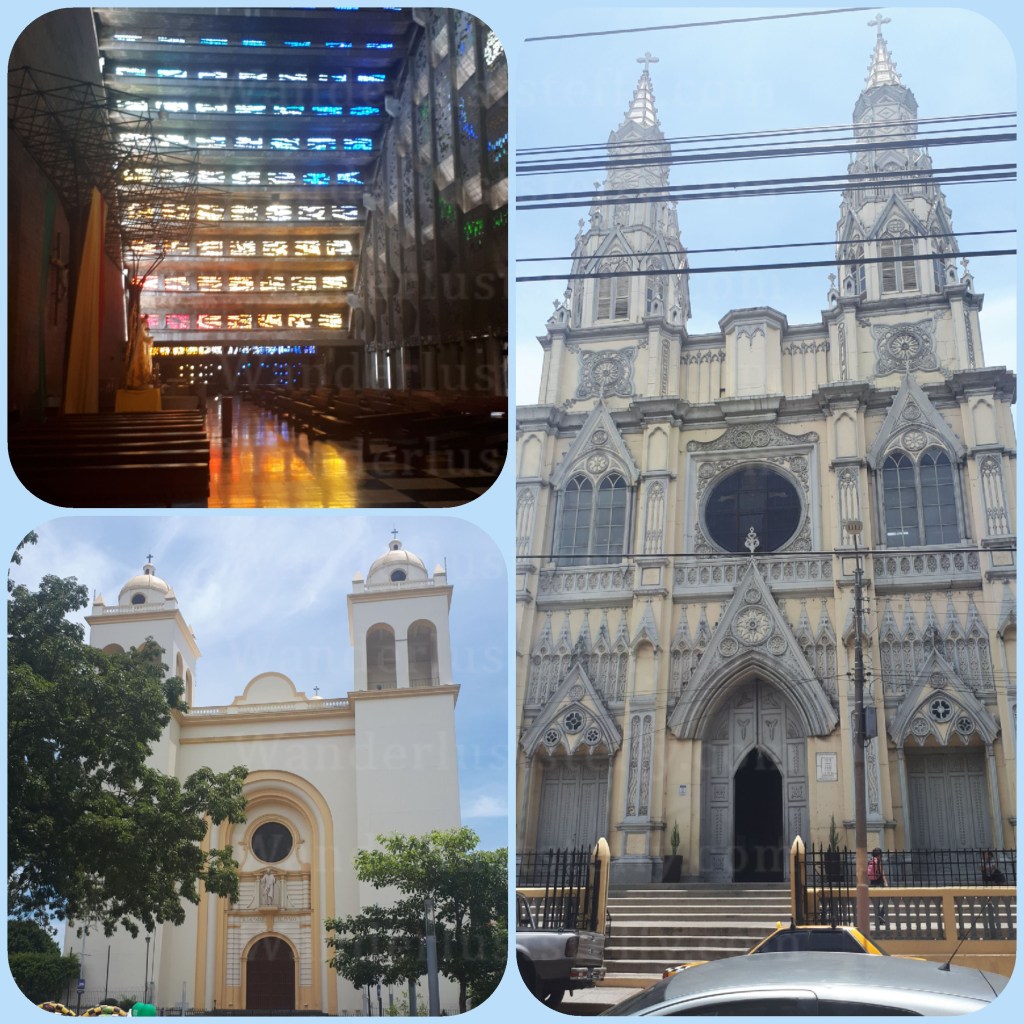
So far, I have only seen the centre of San Salvador and Suchitoto.
The public transport in Santa Tecla is a little bit confusing – there are many different bus lines, but no bus stops, and on the internet, you usually do not find the info you need. Thanks to Joaquin and Wati for answering all my questions about the bus system 😊 So for example when I go to the centre of San Salvador – I have to take bus “101-D”, which stops in front of the copy shop if you signal the driver. In San Salvador, you sometimes find the bus stops incl. the line number on google maps – like the 101-D stop close to the basilica.
The city centre of San Salvador is very busy, given that the market is located between the basilica and the cathedral. On top of these two beautiful buildings and the national palace, you can also find the church “El Rosario” in the centre. I have seen so many churches in my life, but I have never seen one like El Rosario. The coloured windows let the church shine in every colour in the inside. If you like to learn more about El Salvador, you should visit the Museum of Anthropologie. The main Exhibition is bilingual (Englisch/Spanish).
Suchitoto – the Antigua of El Salvador
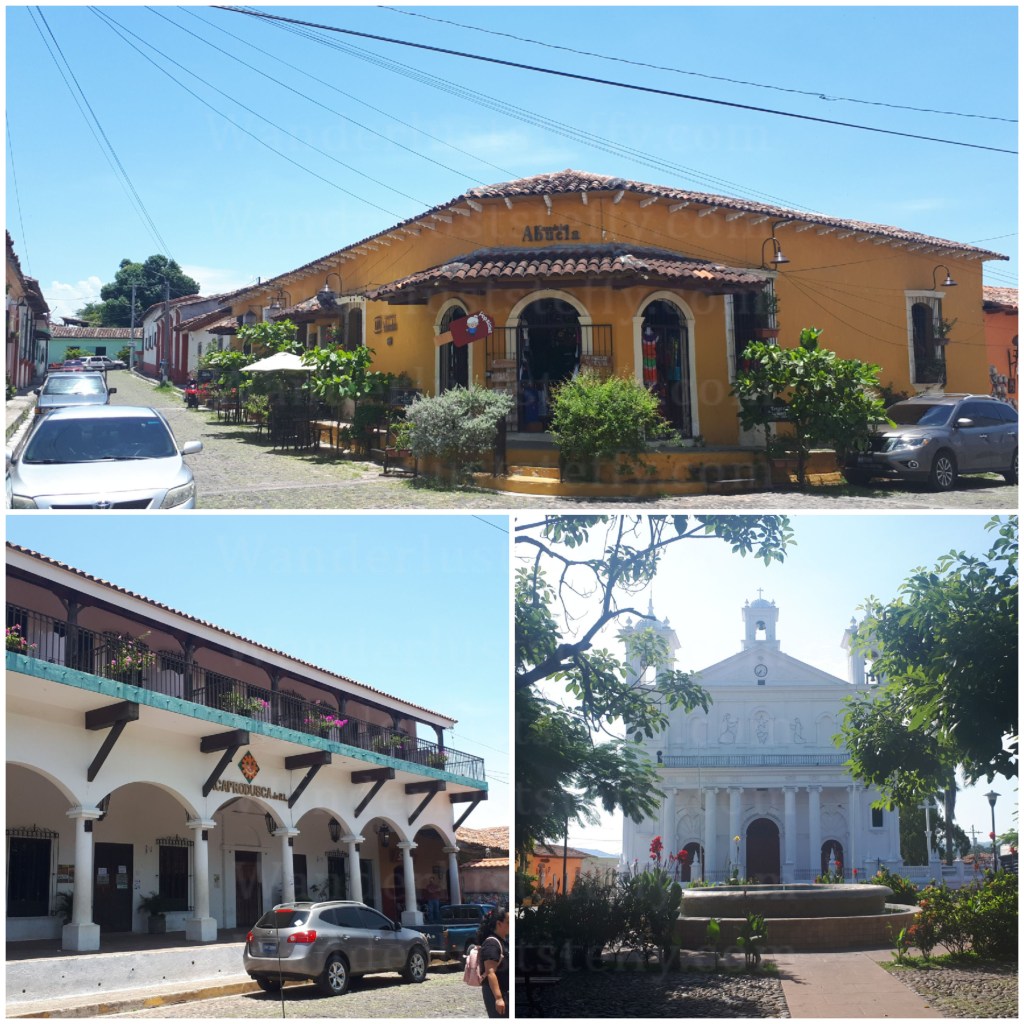
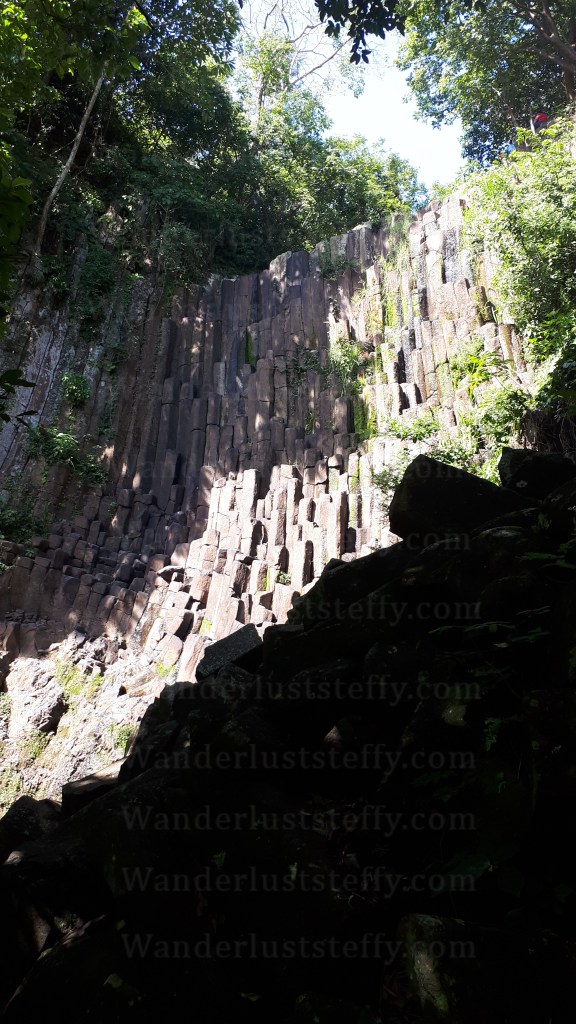
I have also been to Suchitoto, a small town with lots of colourful houses and cobblestone streets. It is a charming town to lay back and enjoy the day in one of the multiple cafes and restaurants around the central park. Close to Suchitoto (30min walk or you take an auto-rickshaw), there is a waterfall (Cascada Los Tercios) and a viewpoint over the lake. The waterfall was not really a waterfall when I was there though it is rainy season, but the stone formation is unique and worth a visit. The viewpoint of the waterfall is a little bit hidden as you have to climb over some rocks and descent a little bit to see it. If you want to relax at the lake you can walk down to the Malecon – it just takes 30min from the central park and it is going down the whole time – or take the bus “El Lago” at the central plaza. You will have to pay 1USD for the entrance to the Malecon, where you can find some benches to sit down, many restaurants and a pool. You can even do ziplining here. I personally enjoyed the view from the waterfall more than the view at the Malecon.
How to get to Suchitoto from San Salvador
Suchitoto is easy to each from San Salvador. Close to the El Rosario church, you will find in google maps the bus station for bus #140. Just ensure that your 140 chicken bus or minibus goes to Suchitoto and does not end in San Martin. The fare is 1USD for the 1h ride to Suchitoto. It is best to get off – where everyone gets off –close to the central plaza. Here you can also enter the bus back to San Salvador; there is no need to walk to the gas station. Since I arrived in Central America, I have been using the website https://centrocoasting.com/ for any information on buses and I always found the information very useful so far.
 Wanderlust
One thought on “Week 8 – My first week in El Salvador”